Barnehurst Station gardeners for urgent clearance: fast, practical help when the garden cannot wait
If you are searching for Barnehurst Station gardeners for urgent clearance, you are probably dealing with a garden that has tipped from "needs a tidy" into "needs doing now." Maybe the hedge is blocking access, the lawn has become waist-high, ivy is creeping over a fence, or storm debris has made the space awkward and unsafe. It happens. And to be fair, it usually happens faster than people expect.
This guide explains what urgent garden clearance involves, how the process typically works, what good results look like, and how to choose the right help without overcomplicating things. You will also find a checklist, a comparison table, practical examples, and a few common-sense tips that make the whole job smoother. If you are in a hurry, the aim is simple: help you make a confident decision and get the outdoor space back under control.
Why Barnehurst Station gardeners for urgent clearance Matters
Urgent clearance is not just about making a garden look decent again. It is about restoring access, reducing risk, and stopping a small problem from becoming a bigger one. A blocked path, broken branch, overgrown border, or heavy weed build-up can quickly affect how safely you use the space. If you need to carry bins, move furniture, let children out, or simply open a back gate without fighting through brambles, the difference is immediate.
In local settings around transport links and busy residential streets, the pressure is often practical rather than cosmetic. People may need a front or back garden cleared before a tenancy inspection, after a period of neglect, before repair work starts, or after a windy spell has scattered branches and leaf litter everywhere. That is where responsive, well-organised gardeners matter. They do the unglamorous parts first: cut back, lift, clear, haul away, and make space workable again.
There is also a psychological side to it. A messy garden can make the whole property feel heavier. You glance outside, see the tangle, and put the job off again. Then again. Then it rains. Suddenly everything looks worse. A proper clearance cuts through that loop and gives you momentum. If you have ever looked at a neglected garden and thought, "Where on earth do I even start?" you are not alone.
For readers who want to understand the broader service landscape, it can also help to explore garden maintenance and the wider gardening services available for ongoing support once the urgent work is done.
How Barnehurst Station gardeners for urgent clearance Works
Urgent clearance usually follows a straightforward path. Good teams keep it simple because speed matters, but so does order. A rushed job that just moves the mess around is not much help, is it?
Most clearances begin with a quick assessment of the site. That might happen over the phone, by message, or during a brief visit if the situation is more complex. The gardener looks at access, volume of waste, plant material, any hazards, and what can realistically be completed in one visit. If the work includes bulky hedge waste, tangled climbers, or possible tree-related issues, that changes the plan.
Next comes prioritisation. In an urgent situation, the team usually works from the most important task outward. For example:
- clear access points first
- remove trip hazards and loose debris
- cut back overgrowth near fences, paths, and gates
- lift and bag waste as the job progresses
- finish with a tidy-through so the area is usable, not just "half-cleared"
If the overgrowth is mainly woody or includes larger branches, a more specialist approach may be needed. In those cases, a service such as tree surgery may be the sensible next step, especially where safety or structural clearance is involved. Likewise, if the clearance is mostly about a long line of hedging, hedge trimming in Barnehurst can be the quickest route to a clean, controlled result.
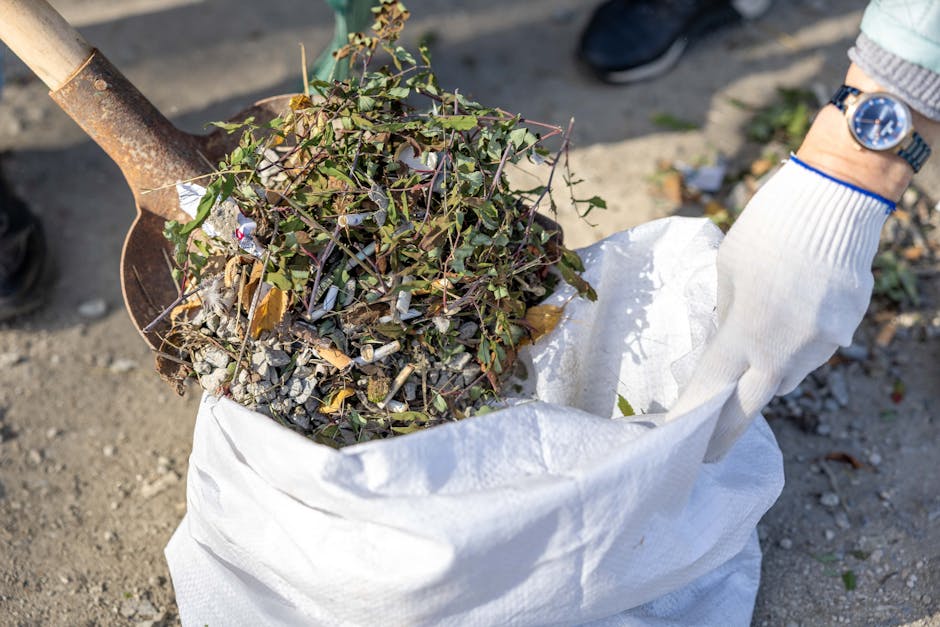
Waste handling matters too. A professional clearance should not leave you with a garden full of chopped material and nowhere for it to go. Ask how waste is removed, whether it is bagged, loaded, or separated for different materials, and whether the job includes final sweeping or raking. Tiny detail, big difference.
Key Benefits and Practical Advantages
When urgent clearance is done properly, the benefits are immediate and easy to feel. The garden becomes usable again, but also safer, easier to maintain, and less stressful to look at. That may sound obvious, but in real life it changes how people use the property from that very day.
Here are the main advantages:
- Faster access: paths, gates, and working areas are reopened quickly.
- Lower risk of trips and snags: overgrowth, hidden objects, and loose debris are removed.
- Better first impression: useful for landlords, tenants, homeowners, and anyone preparing for a property visit.
- Less follow-on damage: cleared areas are easier to monitor for damp, pests, fence strain, or regrowth.
- More efficient maintenance: once the bulk work is handled, regular care becomes much simpler.
There is also a financial angle, even if people do not talk about it much. A garden left to fester often costs more later because the work becomes heavier. Ivy thickens. Brambles spread. A hedge gets woody. A lawn turns into a mat of weeds. An urgent clearance, done early enough, often prevents the sort of job that turns into a full transformation later on. If that is the road you are on, a neglected garden makeover style approach can be a useful next read.
Another practical benefit is control. Once clutter, waste, and dense growth are removed, you can actually see the bones of the space again. That helps you decide whether the next stage should be lawn care, fencing, patio cleaning, or a more deliberate redesign. It is much easier to make good decisions when you are not peering through a jungle of weeds.
Who This Is For and When It Makes Sense
Urgent garden clearance is not only for dramatic overgrown gardens. It makes sense for a lot of everyday situations, some of them fairly ordinary. Truth be told, many urgent jobs are really "catch-up" jobs rather than emergencies.
This service is often right for:
- homeowners preparing for visitors, works, or a property sale
- tenants needing to restore a garden before inspection or move-out
- landlords arranging a reset between occupancies
- older residents who need the garden made safe and manageable again
- busy households that simply fell behind after a wet season or holiday period
- anyone facing storm debris, windblown branches, or fast summer regrowth
It also makes sense if a garden is being used differently. A family may want space cleared so children can play safely, which is where ideas from turning your garden into a kid-friendly haven can become relevant after the heavy work is complete. Dog owners often need clear, snag-free ground too; if that sounds familiar, blending nature with canine companionship is a practical follow-on read.
And sometimes the need is seasonal. After frost, plants may collapse in awkward ways; after high winds, borders can look battered; after a long, damp spell, weeds can explode. The timing matters. A lot. If the weather has been rough, it can be worth reading about protecting a garden from harsh weather and winter frost protection so the cleared space stays in better shape.
Step-by-Step Guidance
If you want to approach urgent clearance calmly, break it into stages. The work looks less intimidating once you give it a sequence. Here is a sensible order of operations.
- Identify the urgent issue. Is it access, safety, visibility, overgrowth, waste, or a combination?
- Walk the site carefully. Look for hidden hazards: broken glass, unstable branches, slippery patches, rusty objects, or nettles near walkways.
- Separate what must go now. Some plants can be cut hard back immediately; others may need more careful pruning. Do not just start hacking away. Tempting, but messy.
- Clear routes first. Gates, paths, steps, bin access, and inspection points should come before cosmetic tidying.
- Reduce bulk growth. Brambles, ivy, tall weeds, fallen foliage, and straggly stems usually take priority.
- Remove and bag waste. The site should become progressively easier to move through as work continues.
- Check edges and boundaries. Fences, decking, sheds, and neighbouring lines often collect creeping growth.
- Finish with a usability pass. Sweep, rake, level, and make sure the space is genuinely functional.
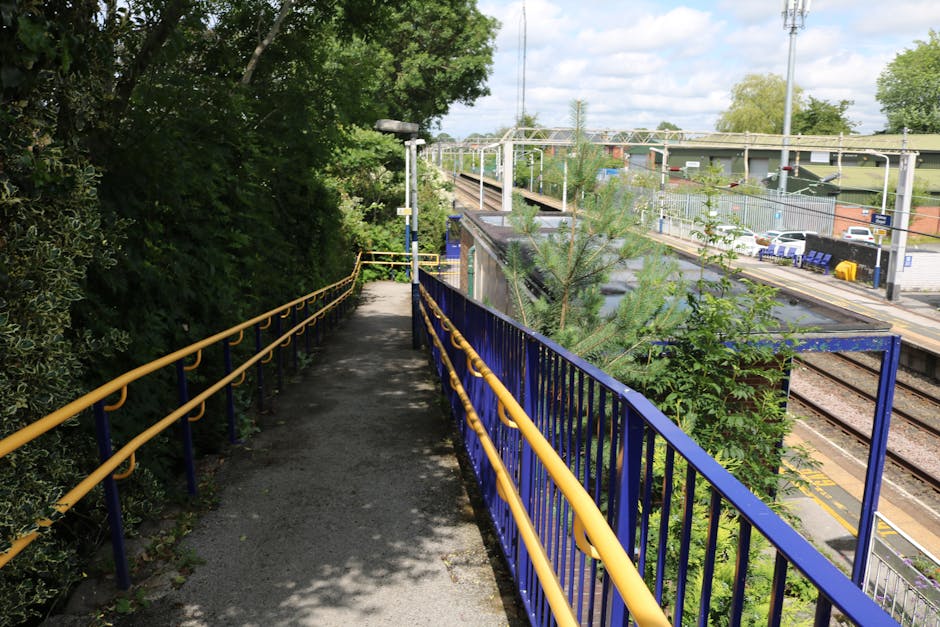
A common real-world example: a garden near a station route may have a narrow side access that has been swallowed by weeds and self-seeded growth. The right response is not to tackle the whole site in one giant burst. Clear the side return, cut back the obstructing plants, remove loose waste, then work outwards. That way you get a usable route fast, which is often the main point.
For a more complete refresh after clearance, you may also want to look at lawn care if the grass has suffered, or patio cleaning if hard landscaping has become slippery or stained under the mess.
Expert Tips for Better Results
The best urgent clearance jobs are not always the biggest. They are the ones planned with a bit of judgement. A few small decisions can save a lot of rework later.
- Work dry if possible. Damp vegetation is heavier, messier, and harder to bag. A wet day is not always avoidable, but if you can choose, choose dry.
- Prioritise structure over appearance. Clear access, then deal with shape and finish.
- Do not scalp everything. Over-cutting can expose soil, stress plants, and leave the garden looking harsh. Better to reduce the bulk and reassess.
- Keep a "save" pile. If you want to retain climbers, shrubs, or healthy perennials, mark them before the work starts.
- Think about the next eight weeks, not just today. A cutback that looks neat now may regrow quickly if roots, seeds, or climbers are not dealt with properly.
One slightly underrated tip: ask for a tidy edge around fences and sheds. It sounds minor, but it changes how the whole garden feels. You notice the fence line again. You hear birds instead of scratching bramble. It becomes a place, not a pile of tasks.
If ivy is part of the problem, do not underestimate it. It can be persistent and a bit sneaky, appearing harmless until it is suddenly everywhere. A focused read on removing ivy properly can help you understand why a careful approach is usually best.
Common Mistakes to Avoid
Urgent clearance can go sideways if the team, or the property owner, rushes without a plan. Most mistakes are preventable. Some are small. Some become expensive. Here are the big ones.
- Starting with the wrong area. If access remains blocked, every other task takes longer.
- Ignoring waste removal. Cutting back growth but leaving piles behind creates a second job.
- Assuming all growth should be removed. Some plants are worth saving, even in a clearance.
- Overlooking boundary issues. Hedge and fence lines often hide the real problem.
- Not checking for safety hazards first. Hidden debris, unstable branches, and slippery surfaces can cause trouble quickly.
- Skipping the follow-up plan. Without maintenance, a cleared garden can slide back into the same state.
Another common one: using a quick cut as a substitute for real clearance. It looks okay from the kitchen window for about two days. Then the regrowth starts, and you are back to square one. Not ideal.
If the garden is likely to need a longer-term plan, consider pairing the clearance with regular support from ongoing garden maintenance so the space does not become unmanageable again.
Tools, Resources and Recommendations
You do not need a shed full of professional kit to understand what a good urgent clearance requires. But it helps to know the typical tools and materials involved, because that gives you a clearer picture of what the crew is doing on site.
Common tools and equipment may include:
- loppers and secateurs for controlled cutting
- hedge trimmers for dense, uniform reduction
- spades, forks, and hand weed tools
- rakes and brooms for final clean-up
- bags, tubs, or loading equipment for waste handling
- gloves, eye protection, and sturdy footwear for safety
Useful supporting pages can also help you plan the follow-up work. If privacy is part of the reason for reworking the garden, the article on fast-growing hedge solutions is a practical next step. If you want to rebuild the garden after the clearance rather than simply tidy it, low-maintenance ideas on a budget can be helpful too.
For people starting from a very neglected state, the real value often lies in sequencing. Clearance first. Repairs second. Design third. That order saves money and, frankly, saves your sanity a bit.
Law, Compliance, Standards and Best Practice
Garden clearance is usually straightforward, but there are still sensible UK best-practice points to keep in mind. These are not dramatic legal claims; they are the practical standards a responsible team should respect.
Good practice includes:
- working safely around sharp tools, unstable growth, and hidden debris
- taking care not to damage neighbouring property during boundary work
- handling waste responsibly and keeping the site tidy
- being clear about what is included before work begins
- using proportionate methods for trees, hedges, and shrubs rather than brute force
Where the job involves heavier cutting, higher risk work, or awkward access, insured and safety-conscious working matters more than a quick finish. A sensible place to review is the company's insurance and safety information, along with its health and safety policy. If you like to understand how a provider handles expectations and customer issues, complaints procedure, terms and conditions, and payment and security pages are also worth checking.
There is also a standards-minded side to the company profile that builds trust. Pages such as about us, privacy policy, cookie policy, accessibility statement, and modern slavery statement all help show there is a proper business behind the service, not just a vague promise and a van.
Options, Methods and Comparison Table
Not every clearance needs the same approach. Sometimes you only need a fast cut-back and tidy. Other times you need a larger, more methodical reset. The right option depends on access, volume, and what the garden needs afterwards.
| Method | Best for | Strengths | Limitations |
|---|---|---|---|
| Quick cut-back and clear | Paths blocked by weeds, light overgrowth, small debris | Fast, straightforward, restores access quickly | May not solve deeper regrowth or hidden issues |
| Full garden clearance | Neglected gardens, heavy waste, dense borders | Comprehensive reset, better for difficult sites | Needs more time and usually more disposal handling |
| Targeted clearance | One problem area, such as ivy, hedge lines, or a rear corner | Focused, cost-conscious, less disruption | Other parts of the garden may still need attention |
| Clearance plus maintenance plan | Spaces that keep slipping back into neglect | Best long-term control, less repeated stress | Requires ongoing visits or scheduled care |
For many households, the best route is the one that solves the immediate problem and creates a clear next step. If the urgent issue is a hedge, a hedge-focused visit can be enough. If the garden is more generally overrun, a bigger reset may be smarter. There is no prize for choosing the most dramatic option, after all.
Case Study or Real-World Example
Here is a realistic example. A small property close to the station had a rear garden that had been left alone through a wet spring. The access path was lined with weeds, an old climber had spread across a fence panel, and the lawn had turned patchy beneath the growth. Nothing was structurally wrong, but the space had become awkward to use and a little embarrassing for the owner, who was expecting family to visit at the weekend.
The job was handled in stages. First, the side access was cleared so tools and waste could move freely. Next, the worst of the weeds and self-seeded growth were removed. Then the climber was cut back carefully, rather than ripped off in one go, because it was tangled around a fence and still attached in several places. Finally, the whole area was raked through, bagged, and left tidy enough for the owner to bring in a small table and chairs later that day.
The important part was not that the garden became perfect. It did not. It became usable, safer, and easier to keep on top of. That is the real win with urgent clearance. Sometimes the best result is simply breathing room. The rest can follow.
If that kind of situation sounds familiar, a sensible starting point is to review pricing and quotes and then contact the team when you are ready to explain what needs clearing and how quickly it needs doing.
Practical Checklist
Use this checklist before booking or carrying out urgent clearance. It keeps the job focused and reduces awkward surprises.
- Identify the main problem area or access issue.
- Check whether the work is mostly weeds, hedge growth, debris, ivy, or branches.
- Decide if the job is a quick tidy, full clearance, or targeted cut-back.
- Look for hazards such as hidden glass, unstable limbs, or slippery surfaces.
- Confirm how waste will be removed and where it will go.
- Ask whether any specialist work may be needed for larger branches or tree-related growth.
- Think about the next stage: lawn care, maintenance, fencing, or planting.
- Keep pets and children away from the work zone while clearance is underway.
- Take before photos if you want a clear record of progress.
- Set a follow-up date so the garden does not drift back into chaos. Happens all the time.
Key takeaway: the fastest way to solve an urgent garden problem is to clear access first, remove the bulk growth second, and plan maintenance third. Simple, but it works.
To move from "overwhelmed" to "under control" quickly, start the conversation early and be specific about what the garden looks like, what feels unsafe, and what outcome you need. Contact the team here when you are ready to describe the job and get things moving.
Conclusion
Urgent clearance is one of those jobs that brings a surprising amount of relief. You look outside, and suddenly the space feels accessible again. Less noisy, somehow. Less heavy. Whether you are dealing with brambles, storm debris, overgrown hedges, or a garden that has simply run away from you, the right approach is calm, practical, and focused on the basics.
Barnehurst Station gardeners for urgent clearance are best understood as problem-solvers first and tidy-up experts second. The goal is not just to cut things back; it is to help you regain control of the space in a safe, useful way that makes sense for the next stage. If you keep the job simple, ask the right questions, and plan a little ahead, you will usually get a much better result. And honestly, that first clear view of the garden again can feel pretty good.
Get a free quote today and see how much you can save.
Sometimes the smallest reset is the one that changes everything.
Frequently Asked Questions
What counts as urgent garden clearance?
Urgent clearance usually means the garden has become difficult to use, unsafe, or time-sensitive because of overgrowth, debris, blocked access, or storm damage. It is the sort of job that cannot comfortably wait for a routine tidy.
How quickly can urgent clearance usually be arranged?
That depends on the season, the size of the job, and access, but urgent work is typically prioritised. The faster you can explain what needs doing, the easier it is to match the right visit to the right problem.
Is urgent clearance the same as regular garden maintenance?
No. Maintenance is scheduled and preventative. Urgent clearance is about getting a garden back under control quickly, often after neglect, weather damage, or a sudden build-up of growth.
Will everything be removed, or only the worst parts?
That depends on the agreement. Some jobs focus on one problem area, while others are a fuller clearance. It helps to be specific about whether you want a quick cut-back, a full reset, or a mix of both.
Do I need to be home during the work?
Not always, but it can help if the team needs access or there are specific plants or boundaries you want to protect. For first-time jobs, being available for a short start-up chat is often useful.
Can gardeners deal with ivy and heavy climbers in an urgent visit?
Yes, often they can, but ivy and dense climbers need care because they may be attached to fences, walls, or sheds. A slower, controlled approach is usually better than pulling hard and causing damage.
What happens to the waste after clearance?
Good practice is for waste to be collected, bagged, loaded, or otherwise removed as part of the service. Always check how this is handled, especially if the job is likely to produce a lot of material.
Is urgent clearance safe around fences, patios, and decking?
It can be, provided the work is carried out carefully and the right tools are used. If surfaces are slippery or awkward, it may be worth combining clearance with patio cleaning or checking nearby boundary items such as fencing and decking services afterwards.
How do I stop the garden getting overgrown again?
Light, regular maintenance is the best answer. Even a short monthly visit or seasonal check can stop weeds, hedge growth, and debris from building back up into a bigger job.
Can urgent clearance improve the value or usability of my property?
It can improve the usability and presentation of the outdoor space straight away, which often helps with viewings, inspections, family use, and general day-to-day comfort. It is not magic, but it does make a strong difference.
What if I do not know whether I need clearance or landscaping?
If the garden is mostly blocked by overgrowth and waste, start with clearance. If the space is already usable but needs reshaping, planting, or structural changes, then landscaping may be more appropriate afterwards.
Should I ask for a quote before booking?
Yes, that is usually sensible. A clear quote helps you compare scope, timing, and expectations. If a provider offers transparent pricing and explains what is included, that is generally a good sign.
What should I mention when I enquire?
Tell them what is overgrown, whether access is blocked, if there are branches or ivy, whether waste removal is needed, and how soon you need the job done. A few specific details make the whole process smoother and quicker.